
Adhoore
It’s unsettling to not know everything-the idea of being distanced from certainty, from happily ever afters, and from closure aren’t aspects that we desire. To want memories and futures filled with sweet lattes and leather journals are components of feeling complete. Yet reality is the world that strikes our dreams, and our lives exist in dissemination, in adhoore, where stories are loose ends, and meaning left our lives a long time ago.
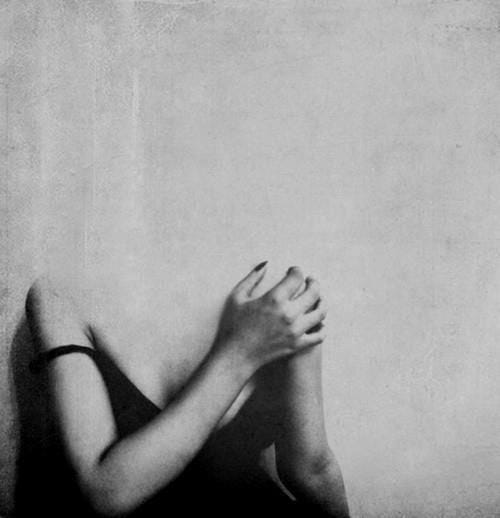
Incompleteness is a flaw-it’s an idea we run from constantly, like the hands of time run, yet they eventually meet-unwilling to be confronted. Surprisingly, it’s not our fault. Since birth, we’re fed spoon after spoon the idea of finishing what we start, to resolve what is broken, and to fix the broken mirrors in our life. We forget that life is nonlinear, where tulips greet you openly and vines snake around your ankles. Our memories, which we fondly refer to as the “yellow brick road” is a simple recollection of fragments-scents of chai, antique furniture, and baby powder. They’re reshaped time after time, where they fade, disappear, or linger.
In dissecting our human psyche, our identity is often unstable too. We’re constantly evolving, changing by the experiences we possess, and due to this, our sense of self is always uncertain, there’s no finality to who we are. If someone asks us who we are today, our answer may be different from what we would’ve given them the day before.
Yet, uncertainty gives meaning in our life, showing us the power of loss, love, and uncertainty. To be adhoore, or to live with incompleteness, gives us fluidity and offers the possibility for second chances. The unknown welcomes curiosity and second chances, something certainty doesn’t.
In this sense, to be adhoore is to be proud, to grow, to thrive in a garden of dead roses. It is the space where life grows and breathes, as it too finds it way through incomplete moments and loose ends. Within these moments we find the honest form of the human soul, a deeper and truer meaning of who we really are.